Designing Canadian Energy-Efficient Homes: A Guide to Smart Living
How to balance luxury and energy efficiency in a custom home built for Canada's climate — insulation, glazing, heat pumps, orientation, and what it costs in the GTA.
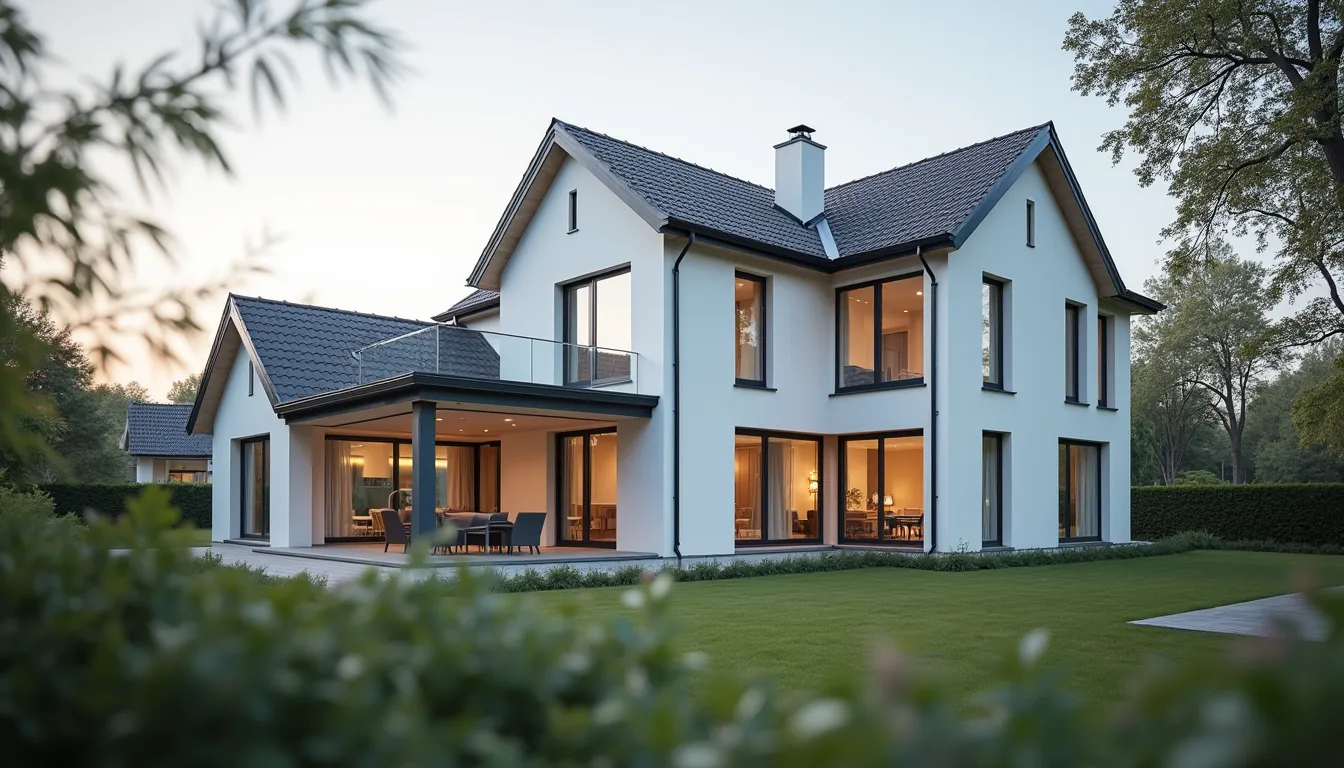
Embracing Canadian Energy-Efficient Designs for Lasting Comfort
Creating a home adapted to Canada’s climate means paying strategic attention to several systems at once. Insulation is king in colder climates, and spray foam is particularly effective for thermal resistance in Toronto custom homes.
Windows deserve careful consideration. Double- or triple-glazed units with low-emissivity coatings minimize heat transfer through the seasons, while strategic positioning maximizes natural daylight and reduces artificial heating needs. South-facing windows, for instance, can capture sunlight during the day, reducing the need for artificial heating.
Heat pump systems — especially cold-climate models — are a strong alternative to traditional furnaces thanks to their dual heating and cooling capabilities. Home orientation itself matters too: designs that account for the sun’s path enhance passive solar heating and natural ventilation.
Key Features of Canadian Energy-Efficient Designs
- High-performance building envelopes with airtight construction and superior insulation
- Energy-efficient HVAC systems, including heat recovery ventilators and smart thermostats
- Renewable energy options like solar panels and geothermal systems
- Water conservation through low-flow fixtures and rainwater harvesting
- Smart home technology for automated environmental controls
Construction Costs
For a 2,000 sq ft house in Toronto and the GTA, costs range from roughly $350 to $450 per square foot (before tax) — approximately $700,000 to $900,000 in total. Energy-efficient upgrades such as high-quality insulation, solar installations ($15,000–$30,000), and advanced HVAC systems increase upfront expenses but generate meaningful long-term savings.
Practical Implementation Steps
Conduct a detailed energy audit, select sustainable materials, incorporate passive solar design, ensure airtight construction, choose ENERGY STAR-rated appliances, plan for future renewable upgrades, and collaborate with specialized professionals from the outset.