Hidden Costs of Luxury Home Additions in Toronto - Not expensive because of materials—expensive because of order, delivery certainty, and long-term value
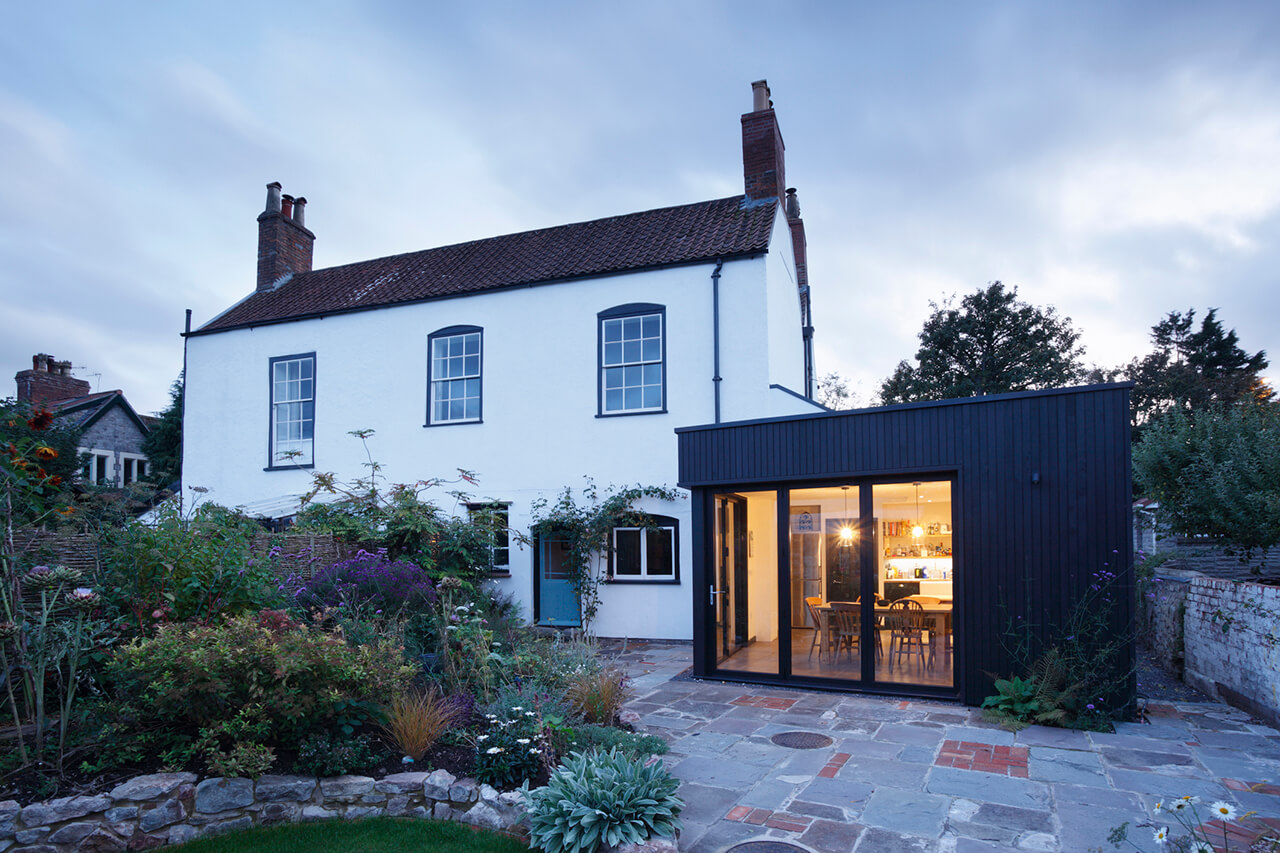
—Benestone | A luxury-oriented perspective on design discipline × predictable delivery × lasting value
In Toronto’s luxury home market, an addition is rarely just about adding square footage.
It’s more like rewriting a lifestyle: Will the circulation feel more elegant? Will the space feel calmer and more generous? Is the daylight intentional? Is privacy thoughtfully protected? And—most importantly—does the home still hold a restrained sense of order and a unified architectural character?
That’s why the most underestimated costs in a luxury addition are not the obvious ones—the stone you can touch in a showroom, or the statement lighting you can photograph.
What truly determines quality and value comes down to three things:
Design order. Delivery certainty. Long-term value.
And those three are often driven by “hidden costs” that don’t look dramatic on a budget spreadsheet—but are the most expensive to get wrong.
At Benestone, we stay humble about one truth: every home is different, and there is no one-size-fits-all formula. But we’re also firm about this: if you ignore these hidden costs, the loss is rarely “just a bit more money.” It’s often a loss of overall coherence, daily living quality, and long-term asset stability.
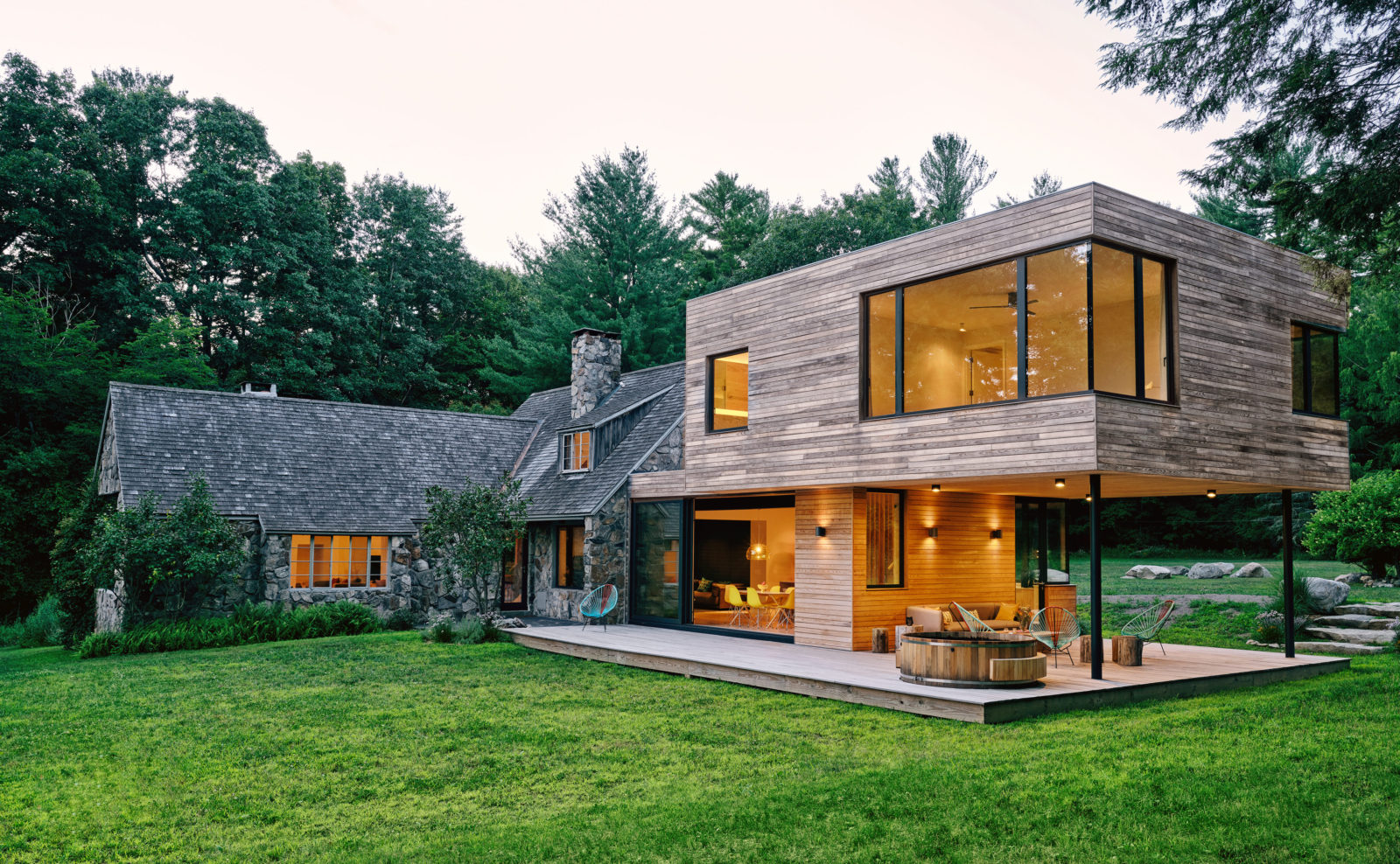
1) The cost of design order: In luxury, the most valuable thing is coherence—not a pretty corner
The biggest risk in luxury additions is the “patchwork” outcome: the new area looks beautiful, but the overall home feels stitched together. That disconnect shows up every day—imbalanced proportions, inconsistent lines, mismatched roof geometry, window patterns that don’t speak the same language, and interior/exterior character that doesn’t align.
To preserve design order, hidden costs often appear in:
- Rooflines and massing refinement so old and new read as one composition
- A consistent façade language (materials, shadow lines, trim details, restraint)
- Window system alignment—not only performance, but proportion and rhythm
- Precision transitions and detailing at corners, eaves, trims, thresholds, and junctions
Luxury isn’t about more.
Luxury is unity. It’s restraint. It’s a controlled, coherent whole.
2) The cost of delivery certainty: Luxury isn’t afraid of “premium”—it’s afraid of uncertainty
In high-end projects, the truly expensive thing is uncertainty: uncertain timelines, uncontrolled changes, inconsistent quality, and systems that don’t perform reliably. Luxury homeowners often value certainty because it protects lifestyle planning, emotional bandwidth, and final outcomes.
Hidden costs often come from what’s required to build certainty:
- Deeper pre-construction planning to finalize key decisions before demolition
- Integrated structural and MEP strategy so the home doesn’t look great but live poorly
- Clear milestones and transparency (budget ranges, schedule checkpoints, change orders)
- Supply chain planning to reduce delays and avoid low-quality substitutions
We often say:
Luxury isn’t only the finished photos—it’s the calm, controlled experience of getting there.
3) The cost of long-term value: You’re buying comfort and stability ten years from now—not just a moment of “wow”
A luxury addition earns its value over time: ten years later, the layout still feels effortless, the home still performs quietly and comfortably, the design still feels timeless, and the property still reflects stable asset value.
Long-term value is usually built into the “invisible” work:
- Whole-home comfort and energy strategy: airtightness, insulation, balanced temperatures, sound control
- Durability and waterproofing details—especially at old/new junctions
- Serviceability and upgrade paths: systems that can be maintained and evolved
- Future-ready planning: spaces that adapt as life changes (WFH, multigenerational, growing kids)
Value retention is never a slogan.
It’s the outcome of systems, discipline, and execution.
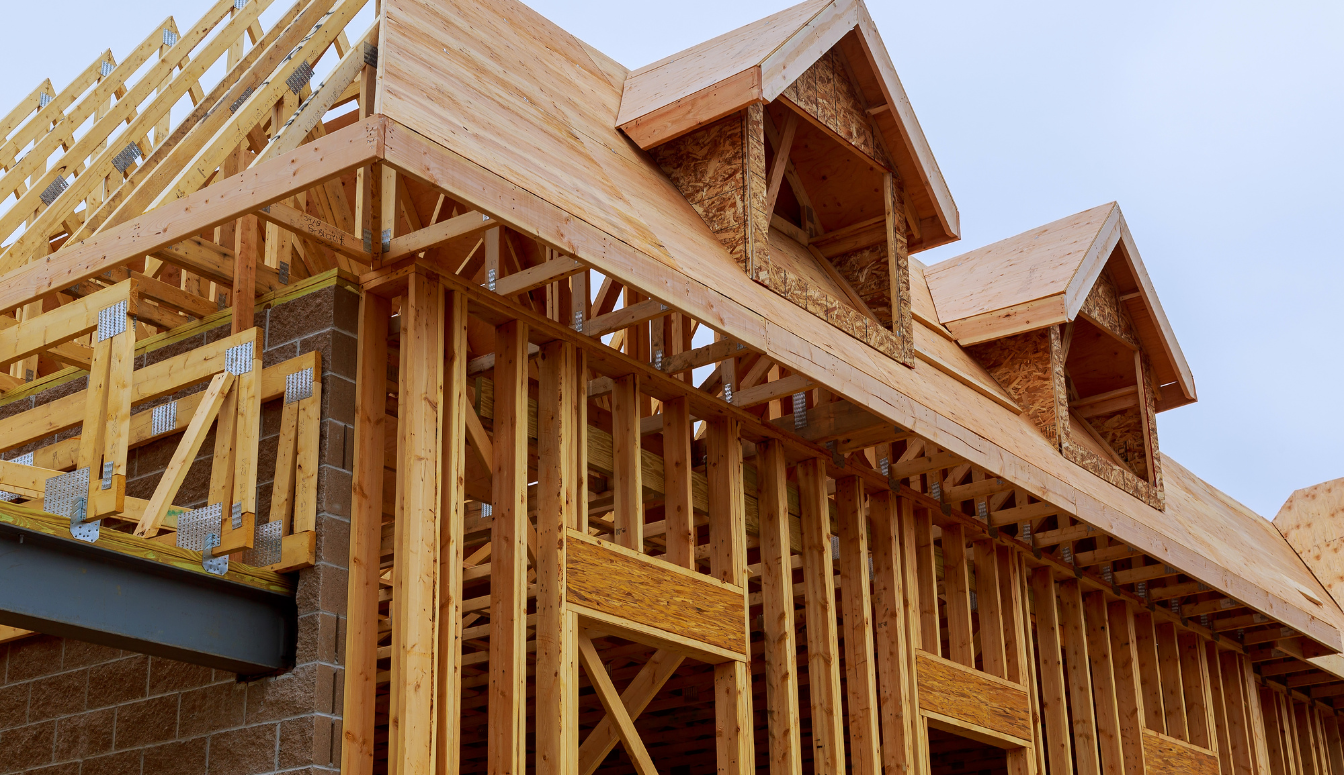
The 6 most underestimated hidden costs in luxury additions (Toronto)
To make your decision more grounded, here are the six “hidden cost” categories we see most often in luxury additions:
- Time costs: approvals and design development that lengthen schedules and amplify price fluctuation and living costs
- Structure and foundation: reinforcement, junction engineering, waterproofing, and crack control for long-term stability
- Systems (MEP): HVAC zoning, electrical capacity, fresh air, smart integration, acoustics, comfort performance
- Design order: rooflines, façade language, window rhythm, precision detailing—avoiding a patchwork feel
- Change costs: in luxury, the most expensive thing is “changing,” not choosing premium
- Lifestyle costs: temporary living, storage/moves, decision fatigue, and time loss
These costs determine whether you end up with:
a bigger house, or a more complete, restrained, high-performing home that holds its value over time.
Benestone’s recommendation: Write design order × delivery certainty × long-term value into your budget logic
We don’t encourage homeowners to chase maximum square footage, and we don’t recommend budgeting only by a per-square-foot number. In luxury projects, a better budgeting question is:
Which “invisible certainties” are you willing to pay for—because they protect the outcome?
Before moving into full design and construction, we typically recommend three steps:
- Confirm the concept direction: spatial strategy + architectural language (to avoid expensive redesign later)
- Anticipate structure and systems: comfort and durability must be designed, not hoped for
- Make risks transparent: realistic budget ranges, timeline expectations, and a change-order framework
This doesn’t make the project more complicated.
It makes it controllable.
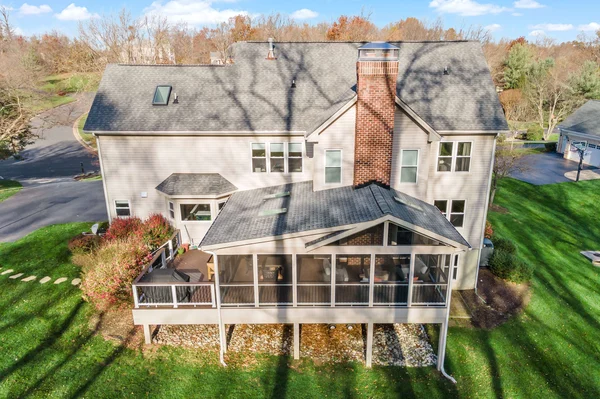
Considering a luxury addition? Start with a high-level feasibility review
If you’re exploring a main-floor expansion, second-storey addition, rear extension, or a full home reconfiguration in Toronto, we can begin with a high-level luxury feasibility conversation—not to push a decision, but to clarify what truly matters:
- How to preserve a unified architectural character (no patchwork)
- How to build delivery certainty (timeline, budget, change management)
- Which investments protect long-term value (structure, systems, durability, comfort)
In luxury additions, the real measure isn’t “how much you spent.”
It’s whether the result holds up—quietly and confidently—over time.
If you’d like, reach out to Benestone. We’ll start with clarity and build with discipline.
📩 Inquiries: info@benestone.com
📞 Phone: (416) 706 - 3095
📍 Richmond Hill Headquarters | Licensed in Both Construction & Development | 20+ Years of Experience
You can also scan our customer service assistant’s QR code to learn more about Benestone Construction.
#Benestone #BenestoneConstruction #TorontoLuxuryHomes #LuxuryHomeAddition #HomeAddition #TorontoCustomHomes #CustomHomeBuilder #LuxuryRenovation #HomeRebuild #DesignBuild #ArchitectureAndDesign #HighEndRenovation #TorontoRealEstate #GTAHomes #TorontoHomeImprovement #HomeUpgrade #InfillHomes #BuildQuality #ProjectManagement #ConstructionPlanning #PermitsAndApprovals #MEPSystems #HVAC #SmartHome #InteriorDesign #ExteriorDesign #TimelessDesign #ValueAdd #LongTermValue #DeliveryCertainty