53% of Prospective Canadian Homebuyers Would Consider Multigenerational Living. Can One Home Serve Three Generations?
From buying together to living well together, Benestone Construction explores what makes a family home valuable for the long term.
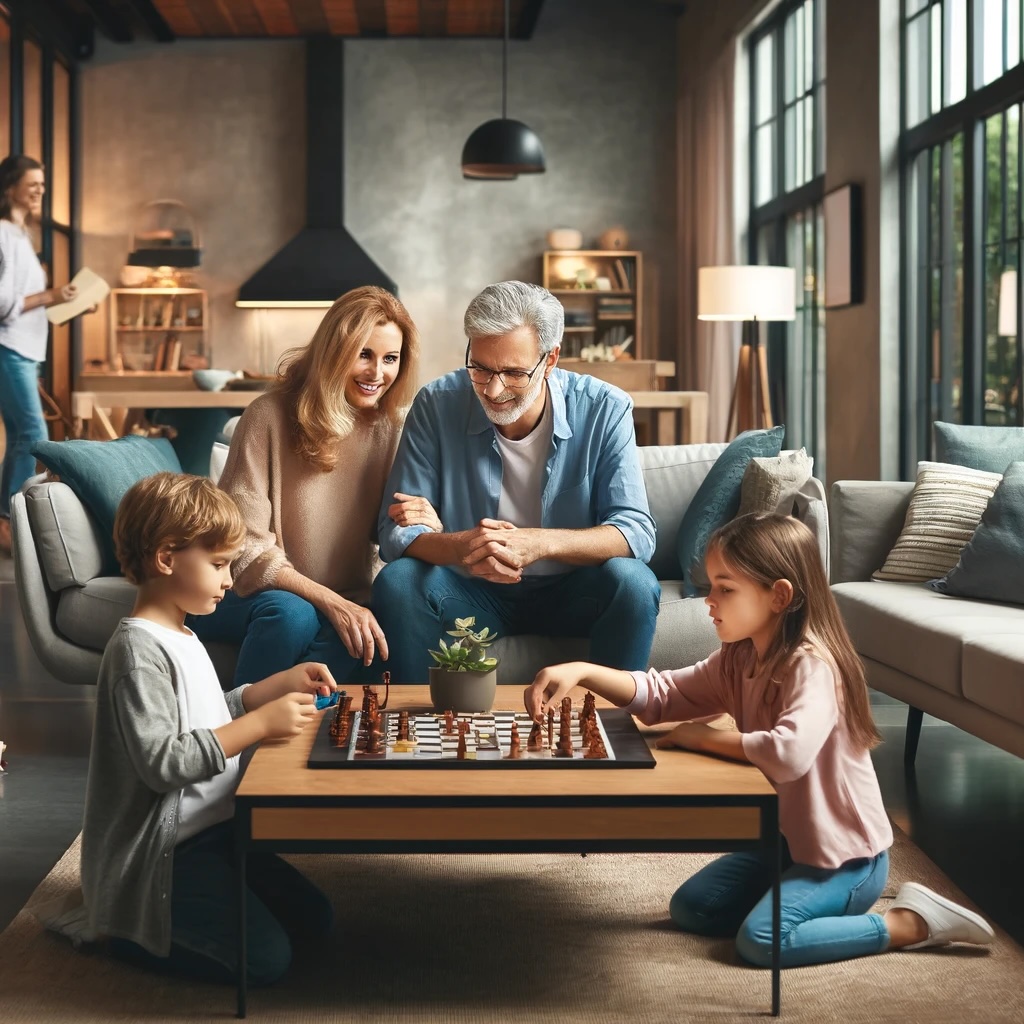
1. From a home for one household to a home for several generations
For many Canadian families, owning a home has long represented independence. But housing affordability, an aging population and changing family structures are prompting a different question:
Does every generation need to buy a separate property? Or could one thoughtfully designed home let three generations support one another while keeping their independence?
RBC’s 2026 Home Ownership Poll, released on October 14, points to a shift in how Canadians think about housing:
- 53% of people planning to buy their first or next home within two years would consider a multigenerational home.
- 35% of current homeowners would consider selling their home to buy a multigenerational property with their adult children, helping the next generation enter the market.
- 74% of prospective first-time buyers planning to purchase within two years would prefer a home they can stay in for the long term, rather than one they will soon outgrow.
In Ontario, 40% of respondents would consider multigenerational living, and 42% identified affordability as a reason this arrangement is becoming more common.
These are attitudes, not completed purchases. Still, they point to a useful change in perspective: a home’s value can extend beyond the needs of one household today to the needs of an extended family over time.
For homeowners in the Greater Toronto Area, that opens up a new way to think about additions, major renovations and custom home rebuilds.
2. More than a financial arrangement
Multigenerational living has deep roots in many cultures, including many Asian communities. It is now attracting broader interest among Canadian families.
Making family resources go further
Among respondents planning to purchase within two years, 34% cited affordability as a reason multigenerational living is becoming more common; 32% saw it as a sensible way to manage housing costs; and 26% felt it was driven more by necessity than preference.
For younger families, a down payment, mortgage and everyday expenses can make homeownership difficult. Pooling resources with parents may reduce duplicated housing expenses and create more options for the family as a whole.
A shared purchase also needs careful planning around ownership, borrowing, taxes and what happens if someone’s circumstances change. Those arrangements deserve as much attention as the floor plan.
Being close enough to help, with room to live independently
As parents grow older, many families want to live closer to one another. Yet a conventional house may offer little privacy or may become harder to navigate over time.
A well-planned multigenerational home can give older parents their own living area while making everyday support easier. It can also reduce the friction that comes from different routines, preferences and household schedules.
Choosing a home for the next chapter, too
The desire for a home that lasts matters. Alongside the 74% of near-term first-time buyers who want a home they will not quickly outgrow, RBC found that 52% of existing homeowners felt moving up from their first home was harder than expected. Another 46% wanted a larger or different type of home but did not see that move as financially realistic.
For some families, moving repeatedly may be less practical than planning ahead.
Could the home you own today meet your family’s needs ten or twenty years from now?
An addition, substantial renovation or rebuild may offer a way to stay in a familiar neighbourhood while preparing for the next stage of family life.
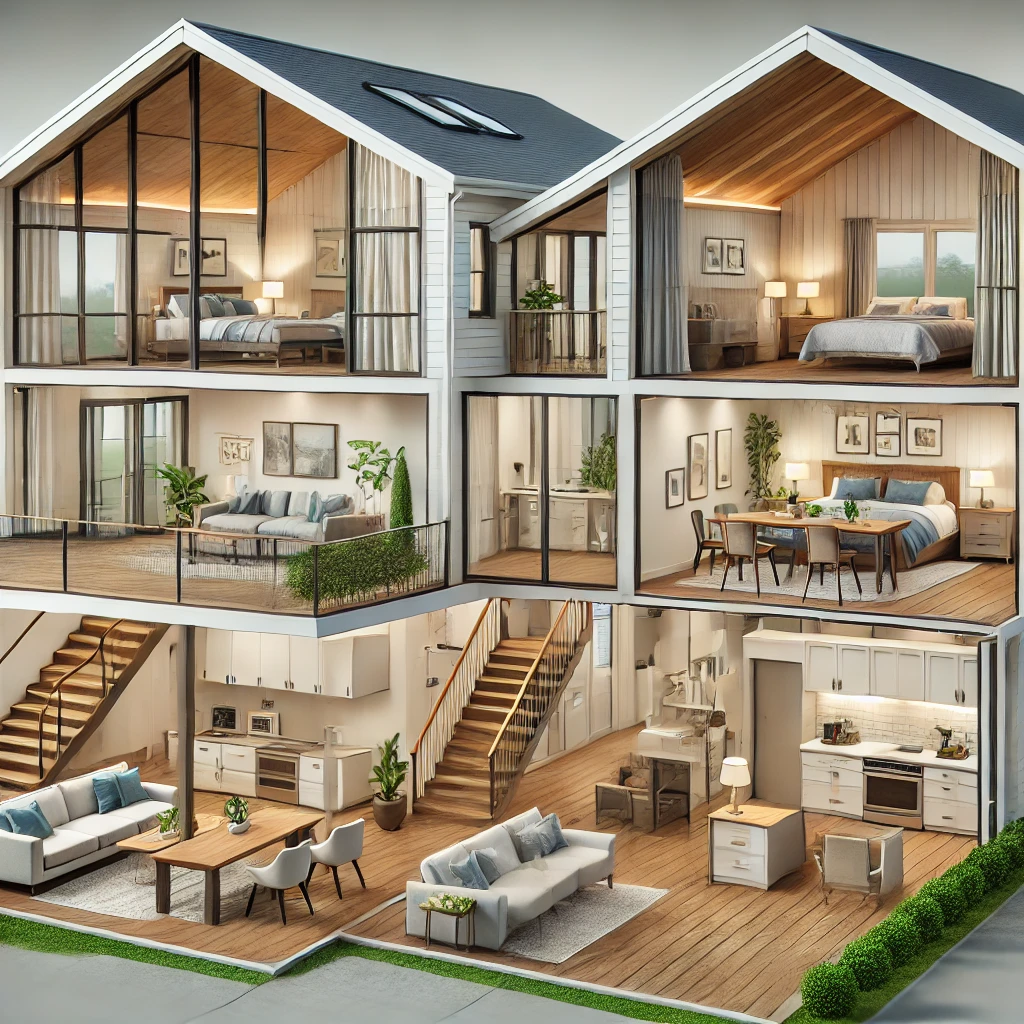
3. Together, with space of your own
Multigenerational living does not require everyone to share the same kitchen, living room or daily routine. Its success depends on balancing connection with privacy.
At Benestone, we see three priorities worth considering early in the design process.
Independent living spaces
Separate bedrooms, bathrooms and sitting areas can help each generation feel at home. Where local rules and the property allow, a second kitchen or separate entrance may also be worth exploring.
The aim is to let adult children maintain their own family life while parents keep familiar routines and a sense of independence.
A home that can adapt as people age
Designing for older family members means looking beyond what works today. Depending on the property, structure and budget, options may include:
- A main-floor bedroom and full bathroom
- Fewer steps and changes in floor level
- Slip-resistant flooring and generous circulation space
- Safer, easier-to-use bathrooms
- Provision for future grab bars or other support features
- An assessment of whether a lift, elevator or another accessibility solution is appropriate
These choices can improve everyday comfort for the whole household as well as support aging in place.
Shared spaces people want to use
A bright kitchen, a table large enough for family meals and a comfortable backyard can become the places where generations naturally come together.
Good multigenerational design is about more than adding bedrooms. It gives everyone a place of their own—and creates places the whole family wants to share.
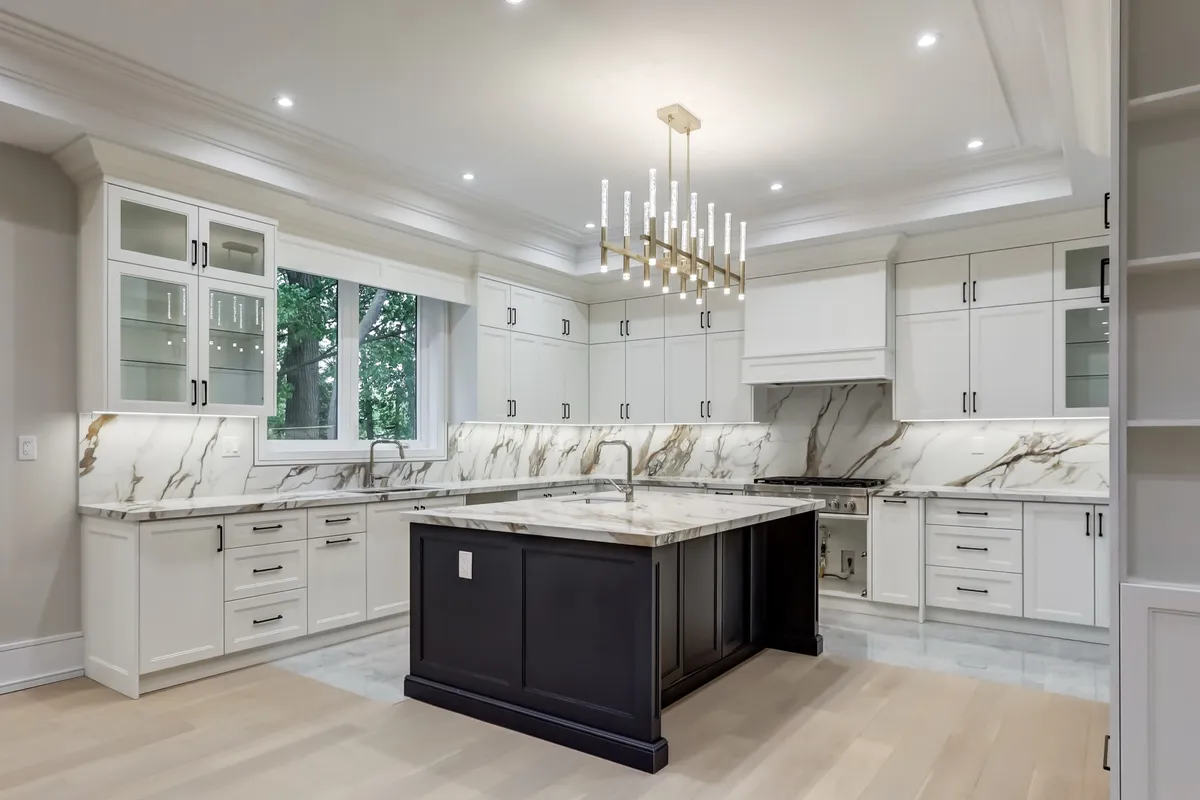
4. Three ways to rethink the home you already own
Buying a larger property is not the only route to multigenerational living. The right approach depends on the existing house, the lot, the budget and how the family wants to live.
Home additions
Best suited to families who want more space while keeping their home and neighbourhood.
When a house is in good overall condition but no longer has enough rooms or the right layout, an addition may create space for:
- A main-floor bedroom or suite for older parents
- More living area through an upper-storey addition
- A larger kitchen, family room or separate sitting area
- Additional living accommodation where permitted and feasible
An addition can help a family remain in a community they know while making the property work better for the years ahead.
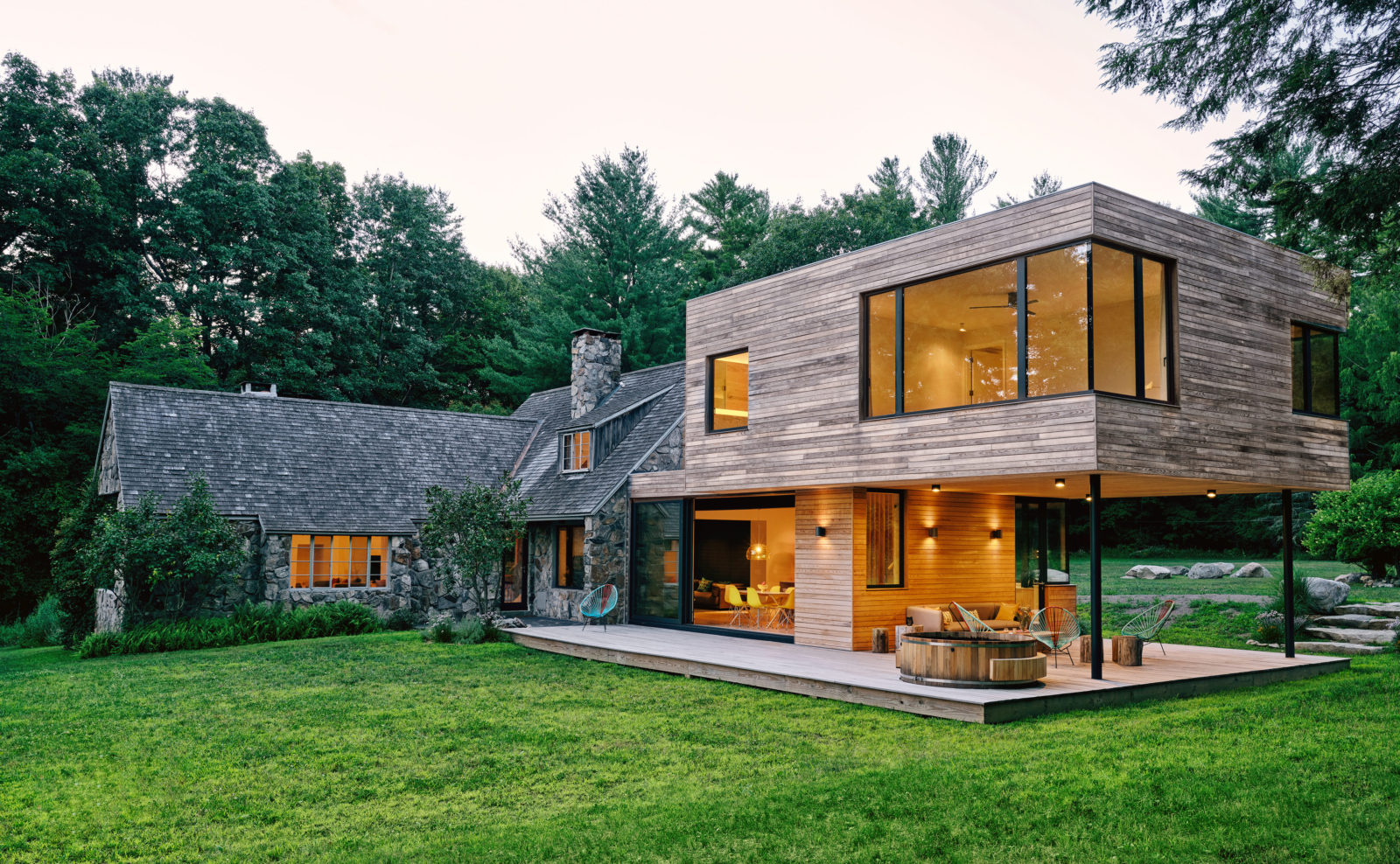
Major renovations
Best suited to a structurally sound home whose interior no longer fits the family’s needs.
Many older detached homes were not designed for adult children, aging parents and grandchildren to live together over the long term.
A major renovation can reconsider how the space works, including:
- Reorganizing floors into more independent living areas
- Improving the basement’s suitability for living space
- Adding bathrooms and improving privacy and circulation
- Updating electrical, plumbing, heating and cooling systems
- Improving sound separation and accessibility
For families who want to manage the overall investment while extending the useful life of their home, renovation deserves a close look.
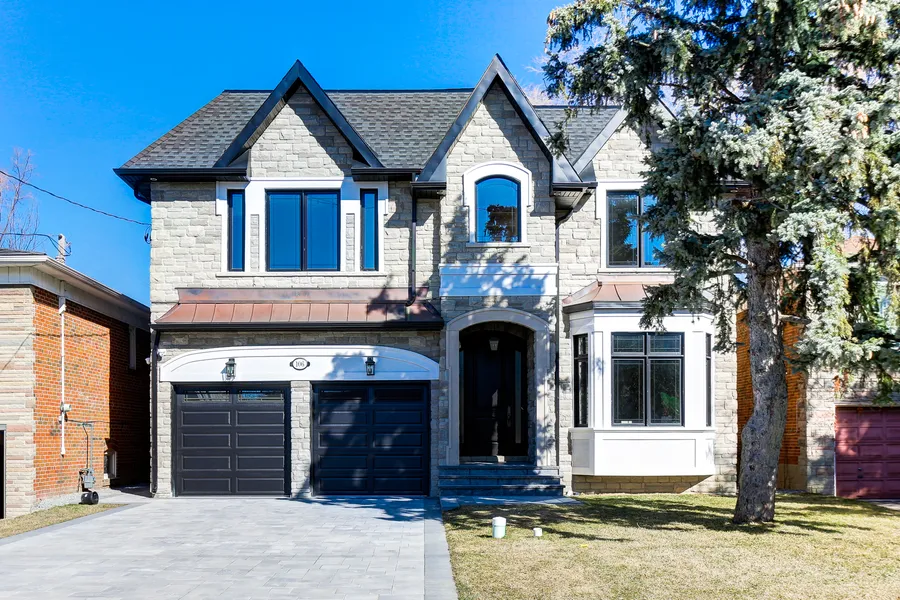
Custom home rebuilds
Best suited to an ideal location with an aging or constrained house, or a family that needs a fundamentally different home.
If additions and renovations cannot reasonably deliver what the family needs, rebuilding may be the more suitable long-term option.
A custom design can account for different generations from the outset:
- A main-floor living area for parents
- Dedicated bedrooms and activity spaces for the younger family
- Circulation that connects shared areas while protecting private ones
- Flexible space for changes in household size or needs
- Energy performance, comfort, safety and long-term maintenance
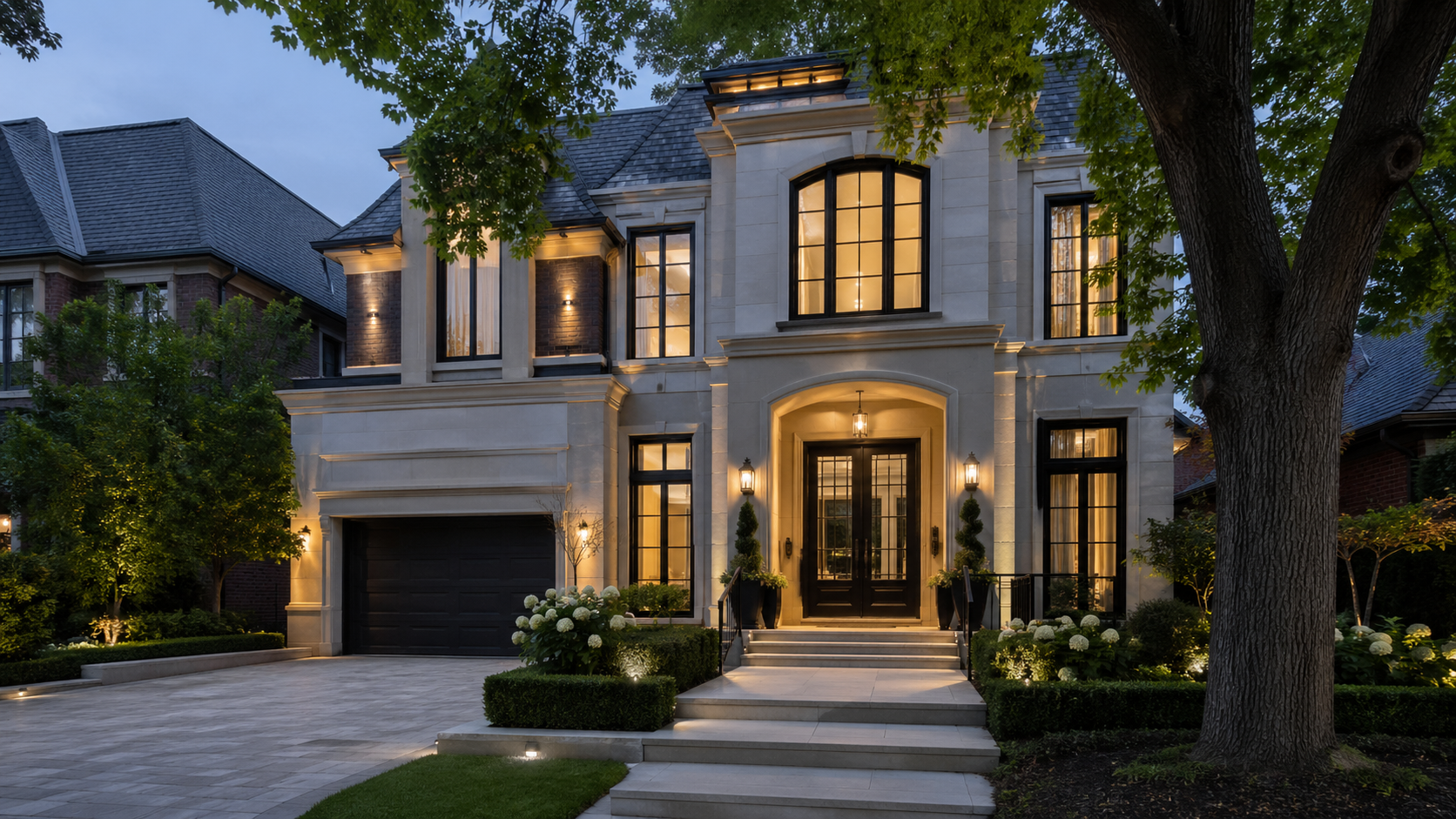
For a family planning to keep the property, a rebuild is an opportunity to lay the foundation for how they want to live for years to come.
5. What GTA homeowners should assess before they start
A family’s wish list is only part of the brief. Local planning requirements and the conditions of the property also shape what is possible.
Across Toronto, Richmond Hill, Markham, Vaughan, Aurora and the wider GTA, the applicable requirements can vary by municipality and property. Early due diligence should cover:
The lot and building envelope. Review lot size, coverage, height, setbacks and other planning constraints.
Permitted living arrangements. If the plan includes a separate suite, second kitchen or additional residential unit, confirm that the proposed use and design meet the applicable municipal requirements and Ontario Building Code.
Structure and building systems. Assess whether the work will require changes to foundations, load-bearing elements, electrical service, plumbing, HVAC or fire-safety provisions.
Family ownership and finances. Where parents and adult children contribute together, obtain appropriate legal, tax and financial advice so everyone understands their rights and responsibilities.
Future changes. Consider how the home will respond as parents age, children grow and the household changes.
Addressing these questions early can help reduce avoidable redesign and construction costs later.
6. A home that serves the people who live in it
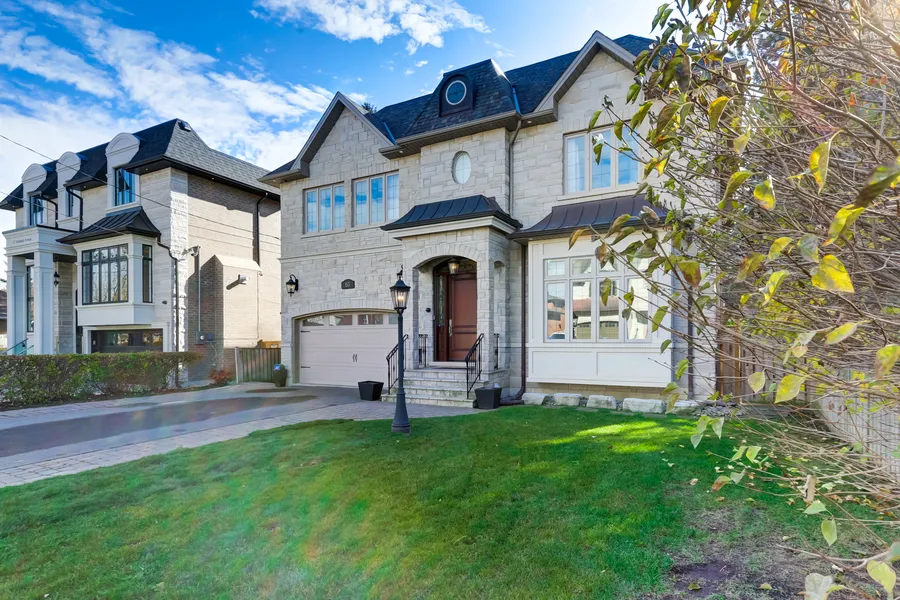
At Benestone Construction, we believe a home’s real value lies in how well it supports everyday life—not only its size, finishes or market price.
With more than twenty years of construction industry experience in the Greater Toronto Area, Benestone helps homeowners turn their needs into practical plans for custom home rebuilds, additions and major renovations.
When a family is considering multigenerational living, the questions are personal:
- Can parents age with comfort and confidence?
- Can the younger generation keep its independence?
- Can children grow up with closer family connections?
- Can the house continue to work as the family changes?
These conversations belong at the beginning, before the drawings are complete.
A good home is worth planning for the next generation
RBC’s findings suggest that more Canadians are looking beyond the home they need today to the life they want in the future. The interest in multigenerational living—and in a first home that lasts—makes long-term planning especially relevant.
Sharing a home will not suit every family. For some, however, it offers a way to use housing resources more effectively, support one another and create lasting value from a property they already own.
Whether you are buying a home for three generations or considering an addition, renovation or rebuild, professional planning is a useful first step.
Benestone Construction designs for the way you live today—and builds for the family life ahead.
Website: https://benestone.com
Service area: Greater Toronto Area and surrounding communities
Core residential services: Custom Home Rebuild | Home Additions | Major Renovations
Book a free consultation: 416-984-3988
Email: info@benestone.com
Scan the QR code below to talk with us about the home you envision for your family.
Sources and survey context
1. RBC Royal Bank of Canada, October 14, 2026, Pooling Resources: 53% of prospective buyers would consider a multi-generational home according to latest RBC Home Ownership Poll. RBC Home Ownership Poll
2. Chinese-language coverage in 《超级生活》, 《一步到位!加拿大一半买家考虑购买多代同堂房屋,希望父母一起凑钱》, as cited in the Chinese source article.
Survey note: Leger conducted the online survey for RBC from August 5 to 24, 2026, among 1,810 Canadian respondents aged 18–64. It used non-probability sampling. Results describe respondents’ attitudes and should not be read as the share of actual home purchases involving multigenerational households.